

DESIGN CENTER BELGRADE: A Key Hub for the Development of Design in Yugoslavia
Pročitaj tekst na srpsko-hrvatskom!
The Design Center in Belgrade was founded in March 1972, within the Institute for Home Economics of Serbia, as a response to the growing need to integrate design into the processes of industrial production and everyday life. The initiative came from Miroslav Fruht, theorist and professor at the School of Industrial Design, and architect Radmila Milosavljević, who worked at the Institute.
Their inspiration came from the British Design Council, whose work Fruht had encountered during his stay in London. The idea was to create a similar institution in Yugoslavia – not under royal or state patronage, as in Britain, but driven by enthusiasm and the conviction that design could contribute to economic growth and improve quality of life.
Belgrade provided the ideal conditions: the Institute had professional staff, facilities, and a wide network of industrial contacts across the country, while Fruht contributed theoretical depth and professional credibility. Thus, Design Center Belgrade emerged – modeled after leading global examples – as the central institution for advancing industrial design in Yugoslavia, systematically connecting industry, designers, and consumers for the first time.
Organization and Goals
The Design Center had a clear and ambitious mission – to improve the quality of design in Yugoslavia.
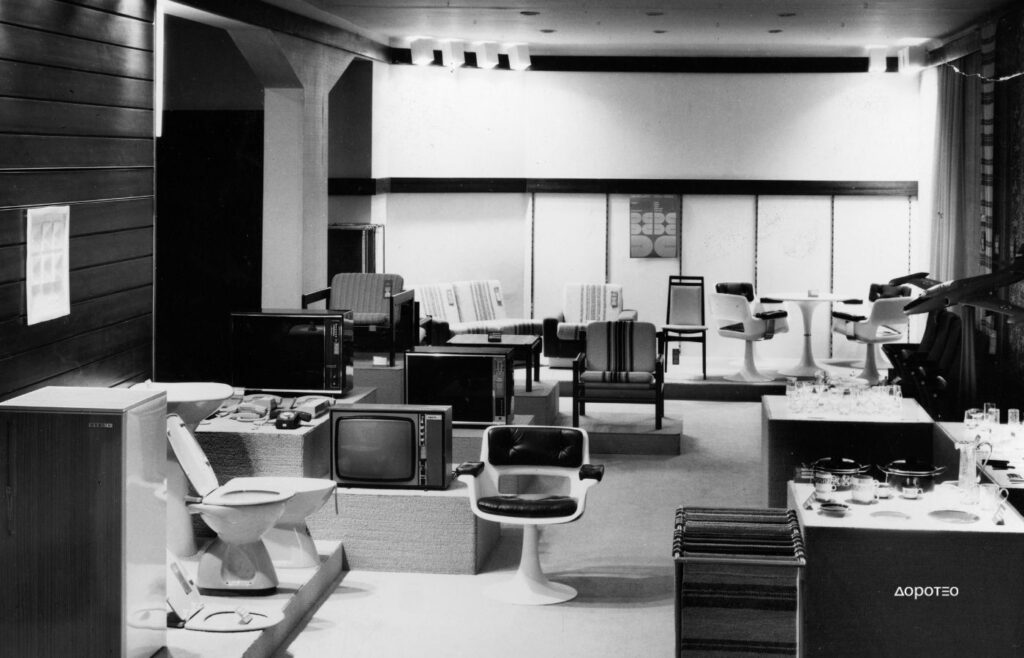
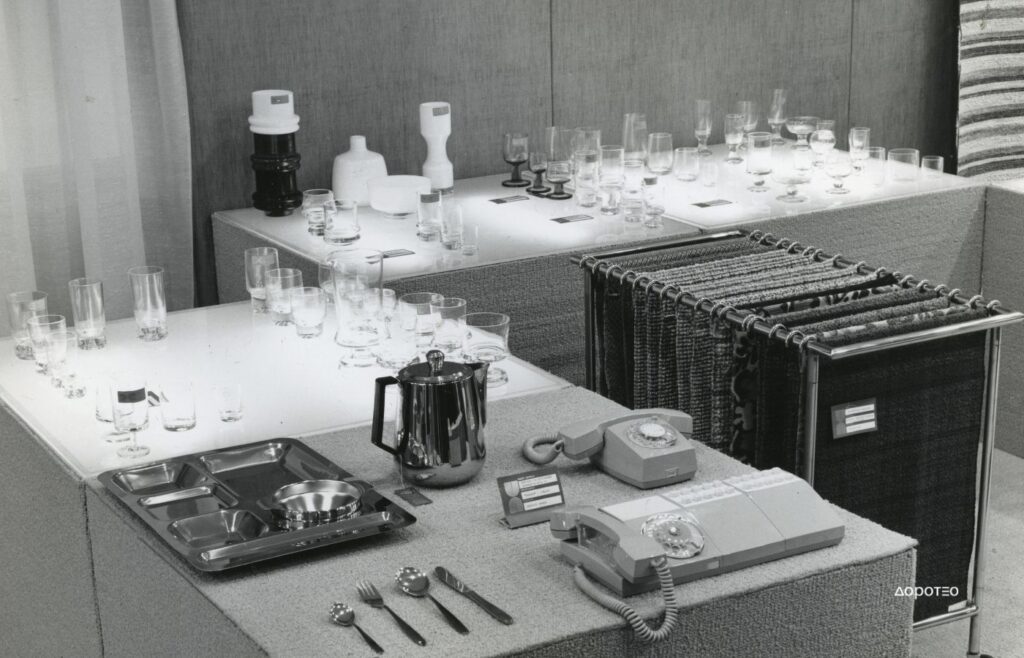
Its activities included a permanent exhibition of well-designed Yugoslav products, thematic exhibitions, the publication of the magazine Industrijsko oblikovanje (Industrial Design), as well as consulting and design services that supported industry development in line with market needs and global design trends.
The goal was to establish design not merely as an aesthetic supplement, but as a system that unites functionality, the market, and culture of living. Designers and architects collaborated with factories on concrete projects – from product redesign to developing new lines – often in partnership with faculties and art schools.
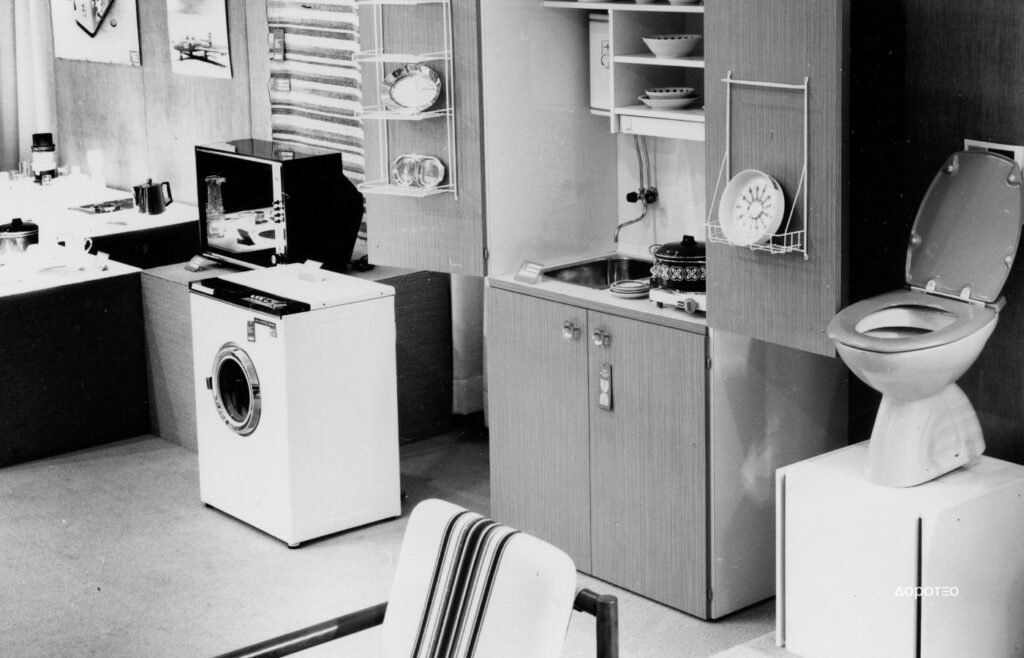
With its rich history and broad reach, the Belgrade Design Center became a hub for creative exchange and inspiration. A similar, though less comprehensive institution, the Center for Industrial Design (CIO), had been founded in Zagreb in 1961.
However, all such centers faced the same challenges of financial instability and institutional insecurity, which affected their long-term sustainability. Still, by addressing different aspects of design – industrial, graphic, and fashion – these centers helped form a holistic vision of design’s role in society.
The “Good Design” Label
The Center’s most recognizable program was the “Good Design” label, awarded to products that met high aesthetic and functional standards. A professional jury visited factories, fairs, and stores across Yugoslavia to evaluate products. Awarded items earned the right to carry the “Good Design” sticker and be included in the Index of Good Design, a unique database of high-quality Yugoslav products.
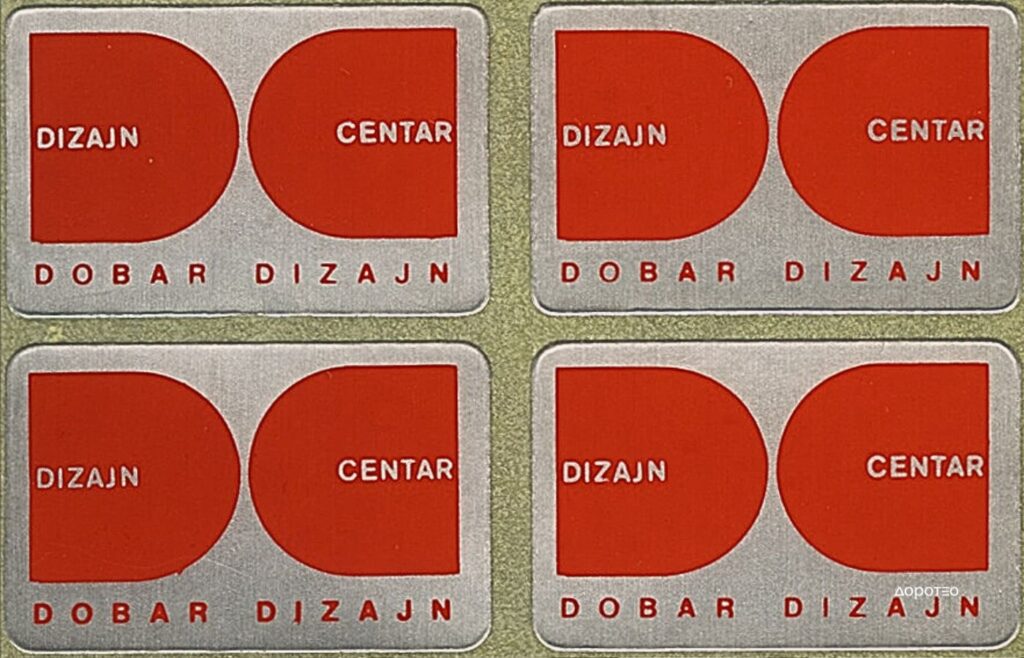
This label was more than just a mark of prestige – it served as a consumer recommendation.
For example, television sets produced by Elektronska industrija Niš (EI Niš) that carried the label achieved much higher sales, as customers recognized the mark as a guarantee of value and modern design.
The Index of Good Design included 212 products from 60 Yugoslav factories, and those items were specially labeled in stores for consumer recognition. In this way, the Design Center successfully connected production, market, and consumers into a unified system for assessing quality.
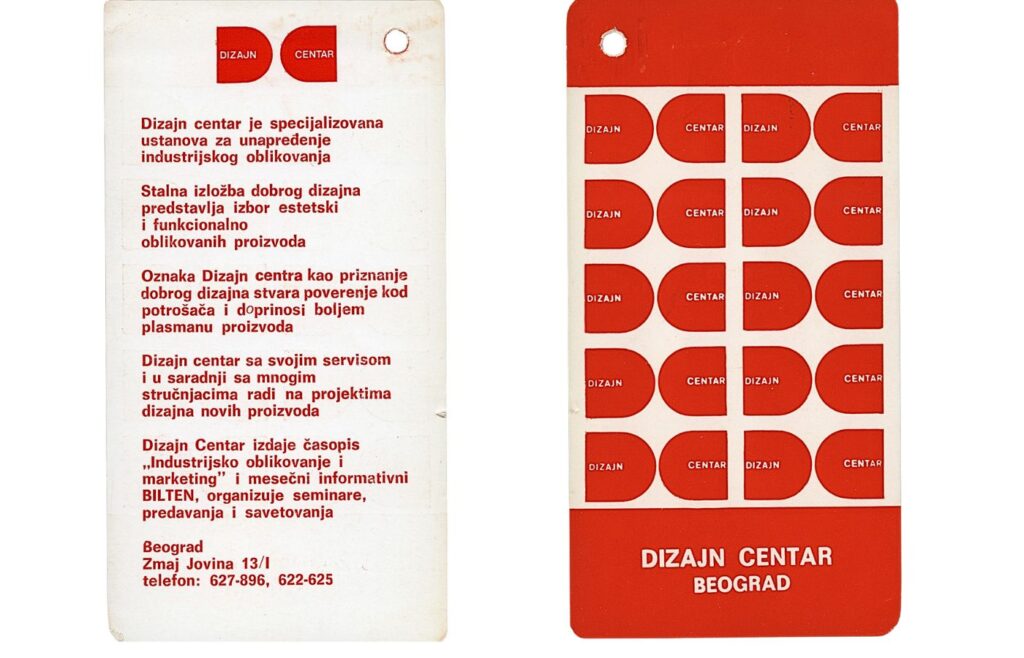
The logo of the Design Center was created by designer Boris Bućan, who developed a recognizable symbol reflecting simplicity and functionality – the core principles of industrial design.
The Magazine “Industrijsko oblikovanje”
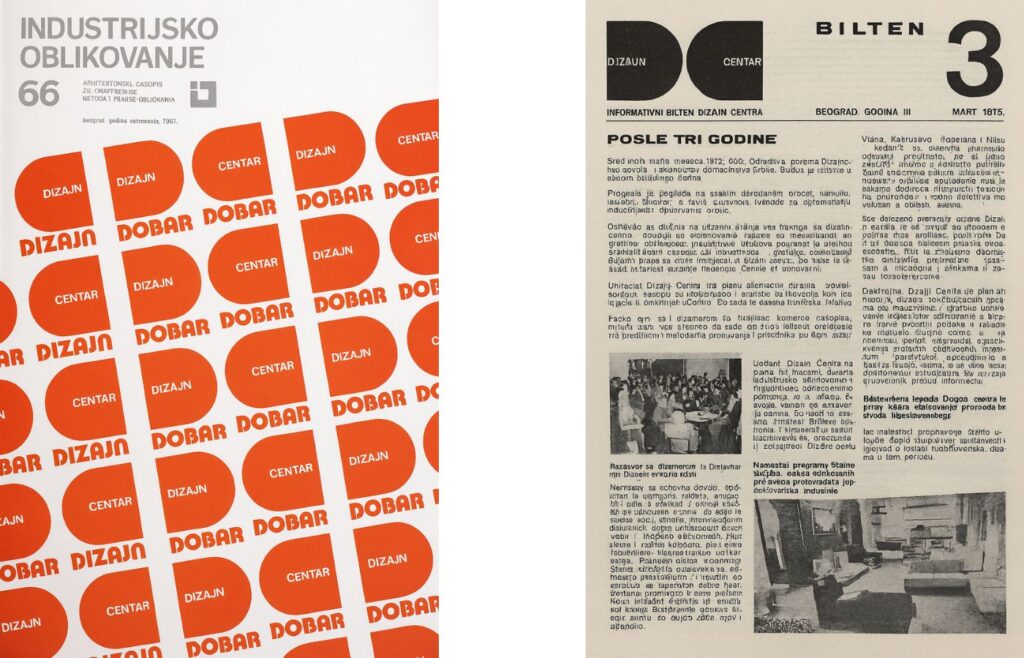
Alongside the Center’s activities, Fruht founded and edited Industrijsko oblikovanje, the leading professional design publication in Yugoslavia. The magazine published theoretical essays on aesthetics, functionality, and market logic, reviews of exhibitions, and analyses of international trends.
In addition to the magazine, the Center also published a monthly information bulletin from 1973 to 1980, within the Institute for Home Economics of Serbia. The bulletin covered ongoing activities, exhibitions, seminars, and industrial collaborations, serving as an important record of Yugoslav design development during that decade.
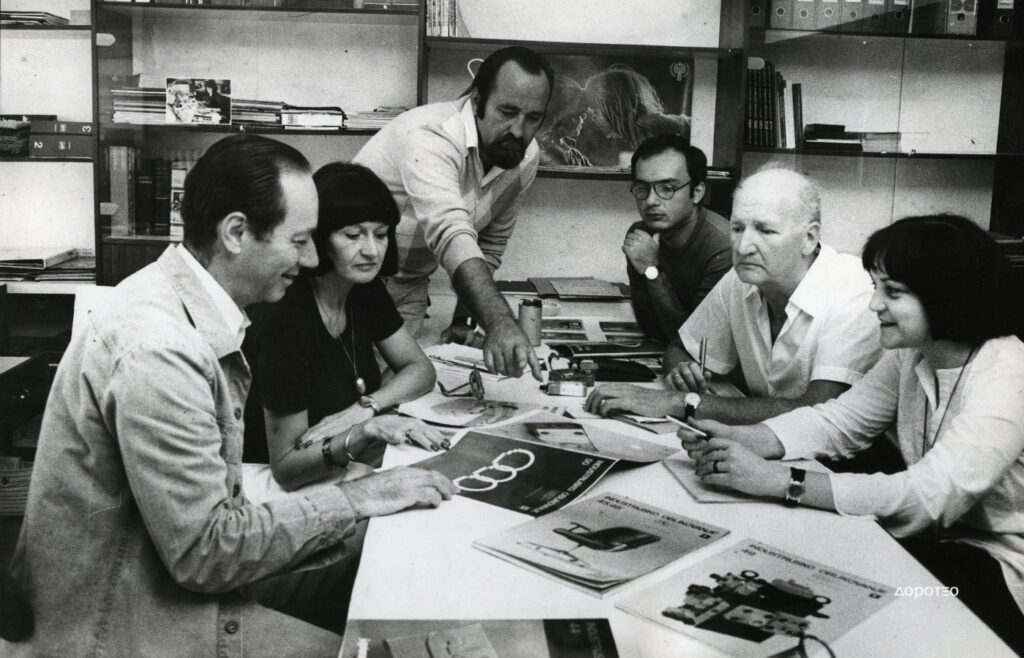
However, despite its high quality, Industrijsko oblikovanje struggled to reach industrial readership. Factory directors, though they regularly received copies, often ignored it – the theoretical aspects of design seemed too abstract for them. While invaluable to the professional community, the magazine ultimately failed to change the dominant industrial mindset that viewed design as an expense rather than an investment.
Financial Difficulties and Closure
Despite numerous successful projects, the Design Center faced chronic funding problems throughout the 1980s. Responsibility for supporting design shifted between cultural and economic institutions, while the self-financing model introduced mid-decade led to lower standards and weaker operations.
Without stable institutional backing, the Center ceased operations in 1986, and with it, the Industrijsko oblikovanje magazine also discontinued. This marked the end of an era – a time when design was still understood as a social value, not merely a market commodity.
Legacy and Significance of the Belgrade Design Center
Although it existed for only fourteen years, the legacy of the Belgrade Design Center remains profound. It was the first institution in Yugoslavia to systematically link art, industry, and consumers, establish professional design standards, and create a collaborative network spanning the entire country.
Its model – combining expert juries, publications, exhibitions, and awards – remains a unique example of an attempt to cultivate a sustainable design culture within a socialist system. The Center’s work demonstrated that good design is not a luxury, but a tool for social development, innovation, and identity.
Today, half a century after its founding, Design Center Belgrade stands as a testament to a time when design was a social ambition rather than a market calculation.Although its activities were cut short, the idea of linking culture, industry, and education continues to inspire contemporary design practices.
In an era once again concerned with sustainability, local production, and design as a social good, the legacy of the Design Center from the 1970s proves how visionary those ideas were. Its story is not merely one of the past – it is a reminder of the essence of (industrial) design: creating a better, more meaningful, and more human world to live in.
All images and materials are copyright protected and are the property of doroteo.rs


